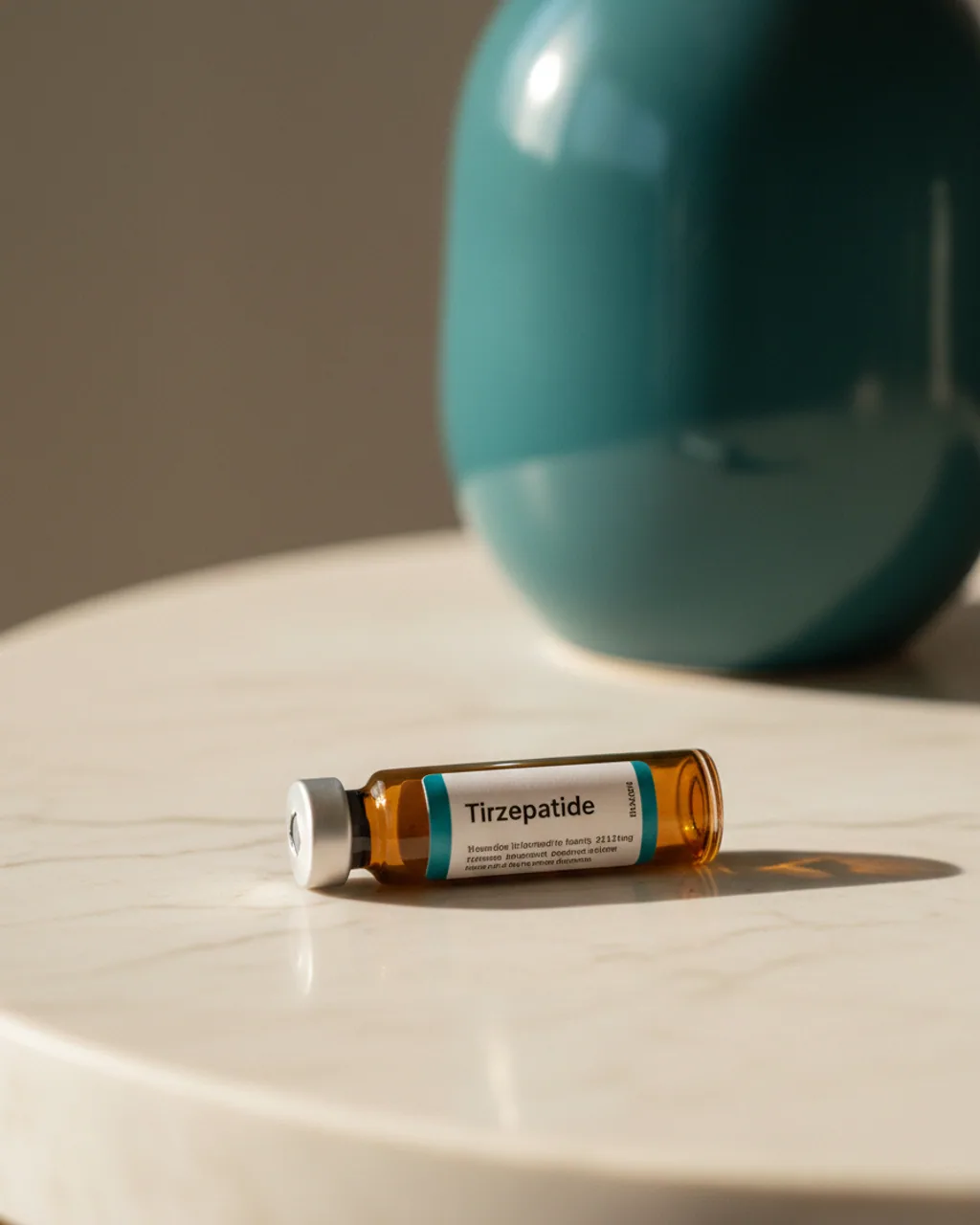
Overview
Tirzepatide (Mounjaro for diabetes, Zepbound for obesity) is Eli Lilly’s dual glucose-dependent insulinotropic polypeptide (GIP) and GLP-1 receptor agonist — a so-called “twincretin” that simultaneously activates both incretin hormone receptors. It represents a fundamental advancement over first-generation GLP-1 agonists like semaglutide, consistently producing greater weight loss in head-to-head comparisons.
In the SURMOUNT-1 trial, tirzepatide 15 mg produced a mean weight reduction of 22.5% — a figure that had previously been achievable only through bariatric surgery. This outcome generated significant attention across endocrinology, obesity medicine, and the broader public health conversation.
Mechanism of Action
Tirzepatide’s “twincretin” mechanism combines the effects of two distinct incretin hormones:
GLP-1 Receptor Agonism: Same as semaglutide — slows gastric emptying, reduces appetite via hypothalamic GLP-1R, stimulates glucose-dependent insulin secretion, suppresses glucagon.
GIP Receptor Agonism: GIP (glucose-dependent insulinotropic polypeptide) was historically considered to have diminished effect in type 2 diabetes. However, tirzepatide’s GIP agonism in combination with GLP-1 signaling appears to produce synergistic effects:
- Enhanced insulin secretion amplification
- Potential direct action on adipocytes to promote fat oxidation
- Reduced GLP-1-associated nausea through GIP receptor modulation (improved tolerability profile)
Net effect: The dual agonism produces greater weight loss, better glycemic control, and — in early data — potentially improved tolerability compared to pure GLP-1 agonists.
Clinical Research & Evidence
Evidence Level: 🟢 EL1 — Multiple large Phase III RCTs, FDA approved
| Trial | N | Duration | Key Finding |
|---|---|---|---|
| SURPASS-1 | 478 | 40 weeks | HbA1c reduction -1.87–2.07%; 30–95% achieving <7% |
| SURPASS-2 | 1,879 | 40 weeks | Superior to semaglutide 1 mg for HbA1c and weight |
| SURMOUNT-1 | 2,539 | 72 weeks | 20.9% (10 mg) / 22.5% (15 mg) mean weight loss |
| SURMOUNT-4 | 670 | 88 weeks | Maintained weight loss vs. regain on placebo after 36 weeks |
| SURMOUNT-OSA | 469 | 52 weeks | 63% reduction in AHI; 51.5% resolution of sleep apnea |
vs. Semaglutide (SURPASS-2): Tirzepatide 15 mg produced significantly greater HbA1c reduction and weight loss than semaglutide 1 mg (standard diabetes dose), though a direct comparison against the 2.4 mg Wegovy dose is still emerging from ongoing trials.
FDA-Approved Indications
- Mounjaro (2.5–15 mg/week SQ): Type 2 diabetes — glycemic control (approved May 2022)
- Zepbound (2.5–15 mg/week SQ): Chronic weight management — BMI ≥30, or ≥27 with comorbidity (approved November 2023)
Dosing Protocol (FDA-Approved)
- Start: 2.5 mg/week × 4 weeks
- Escalate every 4 weeks: 5 mg → 7.5 mg → 10 mg → 12.5 mg → 15 mg
- Inject subcutaneously in abdomen, thigh, or upper arm
Side Effects & Contraindications
Common:
- Nausea, vomiting, diarrhea, constipation (generally less severe than with semaglutide in head-to-head perception)
- Decreased appetite
- Injection site reactions
Serious/Monitor:
- Pancreatitis (rare)
- Thyroid C-cell tumors (class warning — rodent data; contraindicated with MTC/MEN2 history)
- Hypoglycemia (when used with insulin or secretagogues)
- Severe GI events
Contraindications:
- Personal/family history of MTC or MEN2
- Severe hypersensitivity
Legal & Regulatory Status
| Region | Status |
|---|---|
| United States | FDA approved (Mounjaro 2022; Zepbound 2023) |
| European Union | EMA approved (Mounjaro 2023) |
| UK | MHRA approved (Mounjaro 2023) |
| Australia | TGA approved |
Research Citations
- Dahl D, et al. Effect of Subcutaneous Tirzepatide vs Placebo Added to Titrated Insulin Glargine on Glycemic Control in Patients with Type 2 Diabetes. JAMA. 2022.
- Frias JP, et al. Tirzepatide versus Semaglutide Once Weekly in Patients with Type 2 Diabetes. N Engl J Med. 2021 (SURPASS-2).
- Jastreboff AM, et al. Tirzepatide Once Weekly for the Treatment of Obesity. N Engl J Med. 2022 (SURMOUNT-1).
- Wadden TA, et al. Weight Regain Prevention with Tirzepatide. NEJM. 2023 (SURMOUNT-4).
- Wharton S, et al. Tirzepatide and Sleep Apnea. NEJM. 2024 (SURMOUNT-OSA).